Your guide to keto
Shake That Weight guide to ketosis
What is ketosis?
On a regular diet, the body breaks down carbohydrates into glucose, which is used to fuel all the cells in the body. Glucose is also stored in the liver and muscles, ready for times when we need a quick energy boost. When carbs are restricted, as they are on a ketogenic diet, the body’s stores of glucose drain down and it’s forced to break down fat. This produces compounds called ketones, which the body uses for energy.

What is a ketogenic diet?
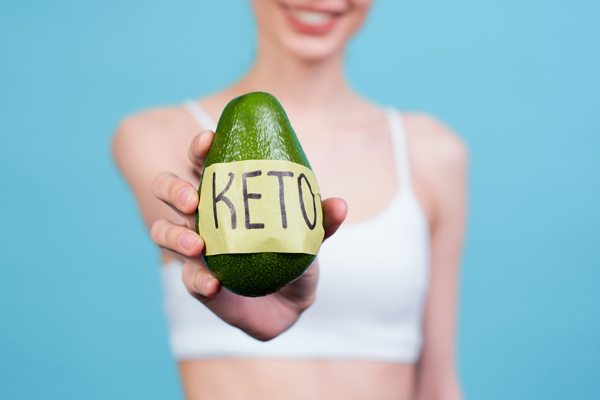
It’s a very low-carb, high-fat diet that contains moderate amounts of protein. The aim of the diet is put the body into ketosis, which means it burns fat for energy instead of glucose.
A typical ketogenic diet restricts carbohydrates to between 20 – 50g a day. This differs from a low-carb diet, which is less restrictive and typically provides between 50-130g a day.
Healthy eating guidelines currently recommend around 50% of total energy (calories) each day should come from carbohydrate. For someone on a 1500kcal diet this would be around 200g carbohydrate a day, and on an 800kcal diet, this would be around 105g carbohydrate day, so a ketogenic diet demands a dramatic reduction.
It typically means cutting right back on all grains (e.g., bread, cereals, pasta, rice, noodles, quinoa, and couscous), potatoes, pulses (e.g., beans, lentils and chickpeas), milk and yogurt, sugar, fruit and many vegetables (click through the questions below).
How long does it take for the body to achieve ketosis?
It’s different for everyone and depends on several factors, including age, physical activity and previous diet. For most people, it usually takes between 2- 4 days, although it can take up to a week.

What are the advantages of a keto diet?
It can produce a greater weight loss in the first few weeks compared with other diets so can be really motivating and a good way to ʻkickstart’ a regimen. But currently, there’s not enough solid scientific evidence to suggest it gives better results than other calorie-restricted diets in the long-term
Ketogenic diets may help control high blood sugar levels, which can be beneficial for people with insulin resistance, prediabetes and type 2 diabetes. However, if you have any of these conditions it’s vital to talk to your doctor before trying a ketogenic diet, especially if you take any medication. Neither low-carb or ketogenic diets are recommended for people with type 1 diabetes.
One of the things many people like about a ketogenic diet is that ketones reduce appetite, so hunger is often less of a problem on this diet.
Are there any disadvantages to a ketogenic diet?
Many health professions have concerns about the ketogenic diet because it restricts ʻhealthy foods’ like wholegrains, vegetables and fruit, which can lead to poor intakes of fibre, and many vitamins and minerals, increasing the risk of diet deficiencies.
It can be high in saturated fat, which is a risk factor for high cholesterol, which in turn can increase the risk of heart disease.
It is low in dietary fibre, which can result in constipation and other digestive problems.
A ketogenic diet often has side effects, including bad breath, dizziness, constipation, diarrhoea, insomnia, headache and fatigue.
Possible long term side effects of the diet include an increased risk of osteoporosis (brittle bones because it may increase the rate of bone breakdown and at the same time slow the rate at calcium in deposited in the bones), high cholesterol (because it can be high in saturated fat) and kidney stones (because the kidneys have to work harder to process the breakdown products of protein).
At this point in time, there’s insufficient scientific evidence to suggest that in the long-term a ketogenic diet is any better or more effective than other calorie-restricted diets.
The number that matters
A keto diet cuts carbohydrate to 20 – 50g a day. Healthy eating guidelines put it closer to 200g.
Ketogenic: 20 – 50g a day
Low-carb: 50-130g a day
Healthy eating: around 200g a day
Fat burned for energy, not glucose
Can I use Shake that Weight products to create a ketogenic diet?
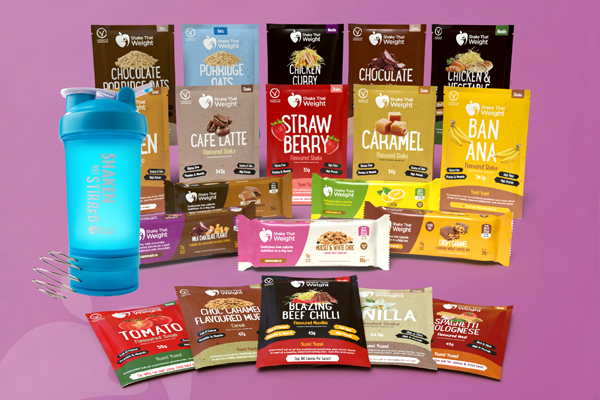
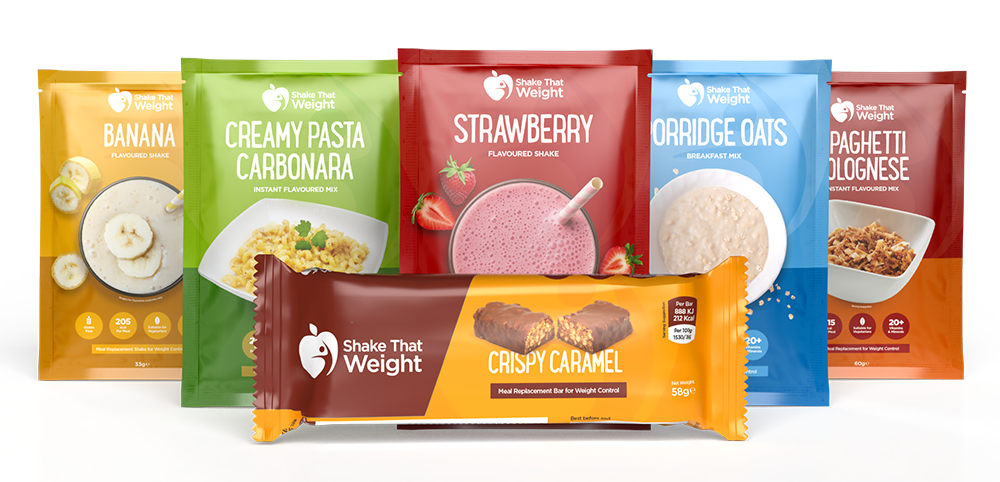
Yes, for an 800kcal ʻkickstart’ to your diet choose 2x meal replacement products and have one low-carb meal with 400kcal.
Example day
| Time | Meal | Energy (kcal) | Carbohydrates (g) |
|---|---|---|---|
| Breakfast | STW Cafe Latte Meal Shake (with skim milk) | 214 | 25 |
| Lunch | STW Chicken Soup | 201 | 19 |
| Evening | 125g of baked salmon with 50g of red pepper, 50g of courgette, 1x spring onion, garlic, ginger and chilli. Stir fried in 1 tbsp of oil. | 403 | 4.5 |
| Total | 818 | 48.5 |
What can I eat on a ketogenic diet?
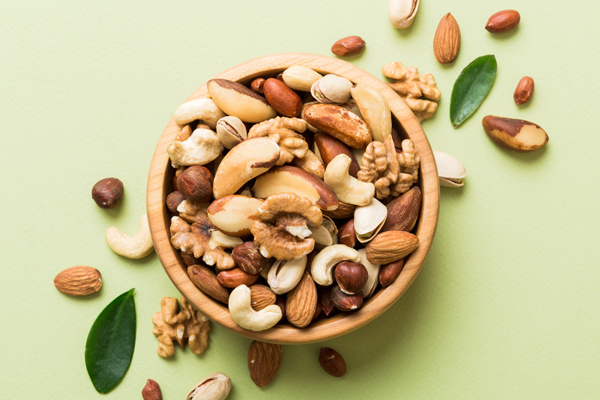
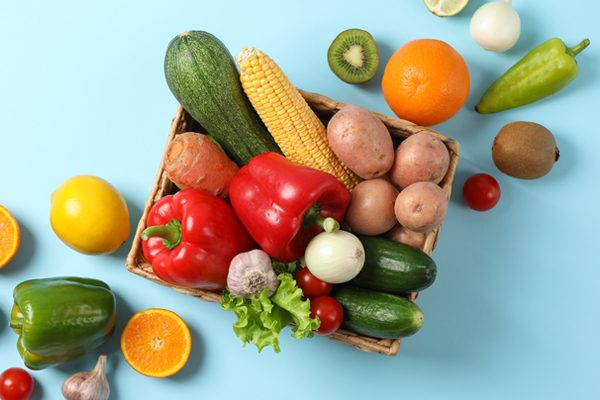
Meat, poultry, fish, shellfish, eggs, nuts and seeds, avocado, butter, cream, cheese, oil, some vegetables.
Some foods on the permitted list, like nuts, seeds, oil, butter and cream are high in fat which means they are also high in calories, so if you are following a reduced-calorie plan, you need to limit these foods to avoid too many calories.
To control calories on a keto diet choose lean meat and remove the skin from poultry. White fish and shellfish like prawns, mussels and crab are also good lower fat choices.
Which vegetables do I need to restrict?
The following vegetables tend to contain higher amounts of carbohydrate: sweet potatoes, onions, carrots, parsnips, onions, peas, beetroot, butternut squash, sweetcorn kernels, corn-on-the-cob and carrots.
Vegetables with a lower amount of carbohydrate include: aubergine, broccoli, Brussels sprouts, cabbage, cauliflower, celery, chicory, courgette, cucumber, kale, fennel, French beans, leeks, lettuce, mushrooms, pak choi, peppers, pumpkin, radish, rocket, spinach, runner beans, spring onions, swede, baby sweetcorn, tomatoes, turnip, and watercress.
What is the carbohydrate content of some typical foods?
| Food | Food carbohydrate (g) |
|---|---|
| 50g (uncooked weight) basmati rice | 42 |
| 50g (uncooked weight) pasta | 38 |
| Branflakes (30g) | 22 |
| 2 rye crispbreads | 12 |
| 100g boiled new potatoes in their skin | 15 |
| 100g baked potato with skin | 23 |
| 1 pot (150g) plain yogurt | 11 |
| Glass of skimmed milk (200ml) | 10 |
| Blackberries and raspberries (80g) | 4 |
| Strawberries (80g) | 5 |
| Canteloupe melon (150g slice) | 6 |
| Blueberries (80g) | 7 |
| 1 apple (100g) | 12 |
| 1 orange (160g) | 13 |
| 1 medium banana (100g) | 19 |
What is a ketogenic diet, in short?
- It’s a very low-carb, high-fat diet that contains moderate amounts of protein. The aim of the diet is put the body into ketosis, which means it burns fat for energy instead of glucose.
- A typical ketogenic diet restricts carbohydrates to between 20 – 50g a day. This differs from a low-carb diet, which is less restrictive and typically provides between 50-130g a day.
How will I know when my body is in ketosis?
When your body is in ketosis you will excrete ketones in your urine. There are several products, such as Ketosticks, available in most chemists that you can use to test for the presence of ketones in your urine.
Do I need to restrict my calorie intake as well?
Yes! To lose weight you need to create a calorie deficit by consuming fewer calories than the body uses.
Do I need to avoid citric acid?
Citric acid is found naturally in citrus fruits, especially lemons and limes, and is what gives them their sour, sharp flavour. A manufactured form of citric acid is also used as a food additive. It’s added to products as a preservative or to enhance their flavour or increase their acidity. It’s also used in some medicines and supplements. In supplements, it’s often in the form of citrates. Some online information suggests citric acid may inhibit, slow down or prevent ketosis. However, this is not backed up with scientific research. The key element that determines ketosis is the carbohydrate content of the diet. Citrus fruits like lemons and limes contain very little carbohydrate (grapefruits and oranges contain more). It’s unlikely a little fresh lemon or lime juice squeezed over a piece of fish or a salad as part of a very low carb diet will prevent ketosis.
Do I need to avoid cow’s milk?
The main factor that determines ketosis is the carbohydrate content of the diet. Diets to achieve ketosis typically provide around 20-50g carbohydrate a day. Cow’s milk does contain some carbohydrate – 100ml milk contains around 5g carbohydrate. However, this can still be included as part of a keto-friendly diet, providing the overall daily carbohydrate content remains below 50g. It’s worth noting milk is a nutrient-rich food, providing many nutrients including protein, calcium, phosphorus, iodine, and vitamins B2 and B12.
Is there any ketogenic effect for 50-130g carbs a day i.e. do we advise mild ketogenic symptoms for our regular diets?
The exact point at which ketosis kicks in will vary from person to person, and depends on age, health, the amount of carbohydrate in the diet and glycogen stores in the body before starting the diet. There are certain symptoms to look out for that may indicate the body is burning fat and entering ketosis such as bad breath, a dry mouth, feeling tired, increased thirst, poor sleep, and rapid weight loss over a few days. However, a more accurate way to identify whether ketosis has been achieved is to measure the ketones in urine using indicator strips. These typically show whether the body is producing low or high levels of ketones and so can be used to indicate whether a person is in mild or full ketosis.
Is the keto diet suitable for everyone?
No, if you have any medical conditions you must check with your GP before starting a ketogenic diet. It is not suitable for women who are pregnant or breastfeeding or anyone with a history of eating disorders.
References
- www.canada.ca/en/department-national-defence/corporate/reports-publications/health/what-is-the-keto-diet.html
- www.eatright.org/health/wellness/diet-trends/what-is-the-ketogenic-diet
- www.healthdirect.gov.au/ketogenic-diet
- www.diabetes.org.uk/professionals/position-statements-reports/food-nutrition-lifestyle/low-carb-diets-for-people-with-diabetes
- www.diabetes.org.uk/guide-to-diabetes/managing-your-diabetes/ketones-and-diabetes